


Make Money From Domain Flipping

Unlimited Rewards
Earn up to 5x points on every $1 spent with your card.

How to Make Money from Flipping UK Domain Names: a Step-by-Step Guide
You've seen them at the end of familiar website addresses like amazon.co.uk and ebay.co.uk – the .co.uk, the .com, and the .net.
These short, distinctive letters following a company name are known as domain names, the unique digital addresses that lead us to specific websites on the internet. Far more than just identifiers, they are valuable digital real estate. Much like physical properties, domain names can be bought, enhanced, and sold for profit. This practice is known as domain flipping.
Are you intrigued by the prospect of domain flipping, a niche yet potentially lucrative side hustle in the UK? It's similar to house flipping, where you renovate a property and sell it for a profit. In the digital realm, domain flipping involves acquiring a unique web address and then selling it, often for a substantial gain. For example, the domain
Voice.com sold for an astonishing $30 million in 2019!
This guide aims to demystify the process of domain flipping. We’ll delve into why certain domains are more sought after than others, the importance of timing in the market, and the steps to transform a domain into a profitable investment.
You'll learn about the dynamics of the UK domain market and the strategies to succeed in this domain. Whether you're an experienced internet marketer or someone exploring innovative side hustles, this article will provide the insights needed to navigate the lucrative world of domain flipping.
Stay with us to discover how to turn domain names into digital gold.
Introduction to Domain Flipping
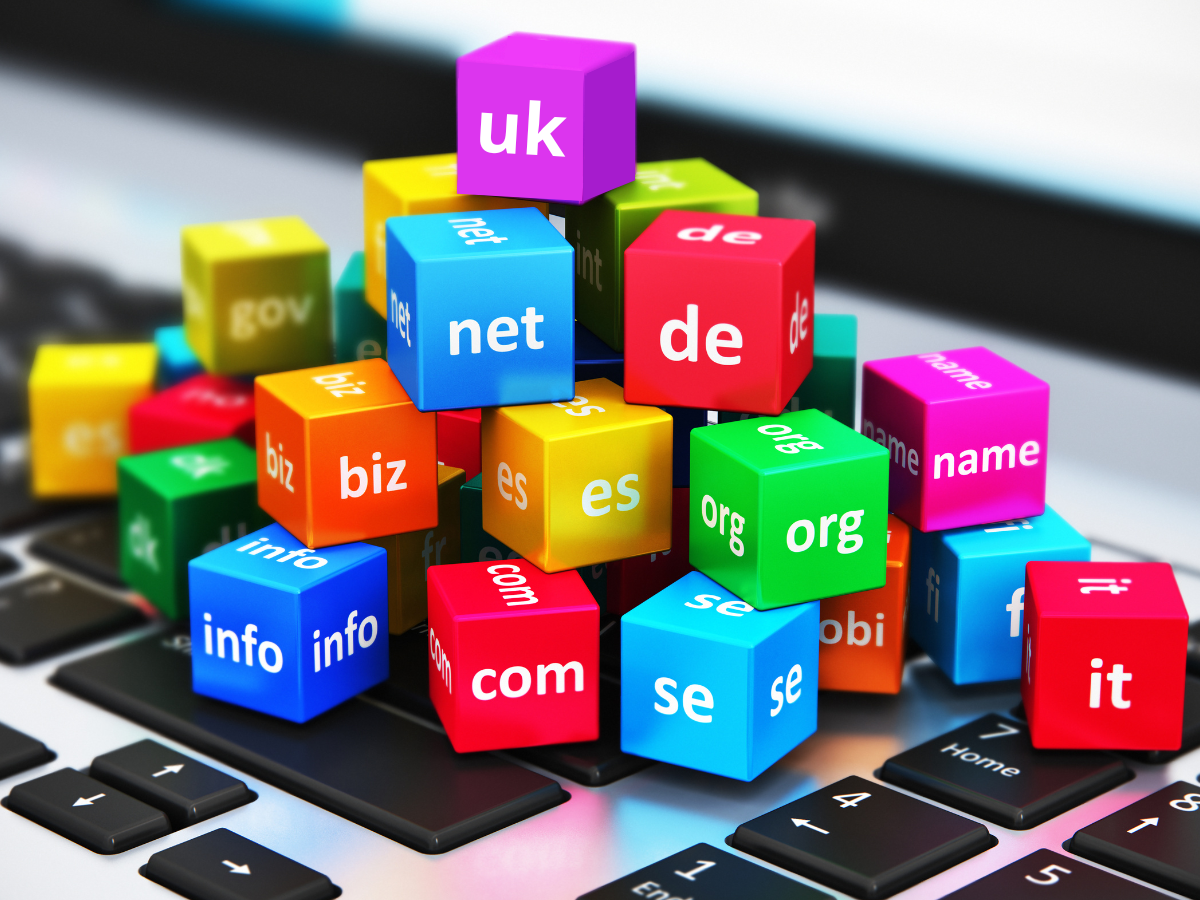
Most know more about flipping a house than flipping a domain — the former involves buying an old and run-down property, fixing it, and then selling it for a higher price.
Domain flipping works similarly. You buy an old domain and sell it for a profit. However, you won’t have to make a lot of fixes for the domain to be put on the market.
Why sell a domain, then? Owning this unique string of characters gives you the right to use it. Some businesses and organisations will need a strong domain for various purposes, and they’ll need to buy it from you so they have the right to use the set of characters.
The process sounds simple, but there are a lot of factors that could affect your profits. For example, some domains are more in demand than others. There’s also the matter of timing since some domain names are only popular for a brief period.
To start flipping domains, you need to follow these simple steps:
- Search for a domain. We’ll offer more tips on what to find below.
- Check the value of the domain.
- If the domain’s predicted value can help you make a profit, buy the domain and register it.
- Find a buyer who’s willing to purchase the domain.
- Transfer the registry once the buyer has paid for the domain.
Understanding the UK Domain Market

The UK boasts a flourishing domain market, buoyed by extensive internet use among its population. Whilst globally, .com domains are renowned for commanding the highest resale value due to their universal recognition, the landscape within the UK is slightly different. Here, the .co.uk extension is king.
As the most trusted commercial domain extension in the UK, it holds a special place in the hearts of British businesses and consumers, often seen as a hallmark of reliability and local identity.
This preference for .co.uk domains is reflective of the unique characteristics of the UK domain market.
Alongside .co.uk, several other domain extensions are prevalent in the UK, each serving distinct segments and purposes:
- .co.uk: The most trusted commercial domain extension in the UK
- .uk: A shorter version of .co.uk launched in 2014.
- .org.uk: Typically used by non-profit organisations and charities.
- .me.uk: Ideal for personal blogs, portfolios, and individual projects.
- .ltd.uk: Exclusively for private limited companies registered in the UK.
- .plc.uk: Exclusively for public limited companies registered in the UK.
Nominet governs these extensions, the entity where people register UK domains. You have to understand the differences between these extensions because the knowledge will help you find in-demand domains in certain niches or industries.
Find UK Domain Names for Sale
Now that you have a basic understanding of domain flipping, the first step to take is finding and acquiring in-demand or profitable domain names.
Sedo is among the most popular options, an auction site where people can sell and buy domains. You can also search on domain marketplaces or even reach out directly to a domain owner. Hunting for the perfect domain will take resources, so make sure that you invest time and effort in it.
Also check out the following website for purchasing domain names (including Sedo, we've used the first three to buy domain names ourselves and found them to be very good):
Finding Dropping UK Domain Names at Nominet.uk

A dropping domain is one that’s already expired, suspended, or abandoned. Nominet.uk releases these for re-registration, giving you plenty of opportunities to find new domain names.
The Catching Process for Expired Domains
Speaking of catching, there is a certain methodology you must follow when doing this process.
In general, catching is all about being there at the right time. You will have other domain flippers trying to find similar domain names, so make sure that you are quick.
Two of the best places to find dropping UK domain names are Dropped.uk and
Dropcatcher.co.uk, domain name catching services where you can monitor and backorder domain names as they arrive. Use these websites to find these domains and start securing them immediately.
Where to Sell Your Domains
Once you’ve registered a domain, you can begin selling it.
The top websites where you can list your domain are:
Aside from listing your domains on these websites, you can work with a domain broker such as the
Godaddy Domain Broker Service. These professionals have networks and processes to help you find a buyer quickly, but keep in mind that they will charge a commission rate.
Generic UK Domain Names

If there’s one area you should focus on, it’s finding and selling generic, category-killer UK domain names.
A generic domain name is not specific to any particular brand or trademark but is typically descriptive of a product, service, or general topic. These domain names usually contain common, everyday words, making them highly sought after for their broad appeal and memorability. They are often valuable for businesses and individuals due to their potential for high website traffic and ease of recall.
However, be aware that generic domains can be expensive to acquire due to their desirability.
Some examples include:
- Gold.co.uk (sold for £600K)
- Cruises.co.uk (sold for £560K)
- Furniture.co.uk (sold for £500K)
These domains commanded high prices because their generic nature makes them familiar and easy to find online. Additionally, generic names can enhance SEO and branding efforts.
Therefore, if you’re aiming for the highest earning potential, it’s worth seeking out strong generic domain names.
How To Find Values for Domain Names

Many factors come into play to determine the value of a domain name, including keyword relevance, potential for easy branding, and ease of SEO efforts.
One sure way to check the past value of a domain name is by looking it up on Namebio.com, a website that lets you review the sales history of a domain, among other features.
Benefits of Domains With a High Domain Ranking for SEO
Domain ranking (DR) is a metric that assesses a domain’s authority and trustworthiness. A domain with a high DR can provide a significant advantage when it comes to SEO, as it can rank higher in search engine results.
This feature makes the domain more in demand to potential buyers since they will inherit the SEO potential once they own the domain.
You can find SEO UK domains with high DRs at auction here:
https://domainlore.uk/#tabs-3
Joining a Community of Domain Investors

Diving into the world of domain flipping in the UK can be enriched by joining a community like
AcornDomains.co.uk.
Also check out
NamePros.com, the world's largest community of domainers with around 1 million members.
These platforms are treasure troves for both new and experienced domain investors, offering a space for:
- Learning and Sharing: Gain insights from success stories and challenges faced by fellow investors.
- Networking: Build valuable connections that can lead to potential partnerships or exclusive deals.
- Staying Updated: Keep abreast of the latest trends and changes in the domain market.
- Seeking Advice: Benefit from the collective wisdom of the community for any queries or dilemmas you might have.
- Participating in such a community can significantly enhance your understanding and success in domain flipping.
Staying Informed with DN Journal Newsletter

To broaden your knowledge in the domain flipping arena, consider signing up for newsletters like DN Journal.
While it primarily covers global domain sales, including extensions beyond the UK-focused ones, it's an invaluable resource for several reasons:
Global Market Trends: DN Journal provides insights into international domain sales and trends, offering a broader perspective on the domain market.
Price Benchmarking: Understanding sales and pricing across various extensions can help in appraising your own domains more effectively.
Learning Opportunities: Regular updates on successful sales and strategies used globally can inspire and inform your own domain flipping efforts.
Though DN Journal may not exclusively focus on UK domains, the knowledge gained can be pivotal in making informed decisions and staying ahead in the ever-evolving world of domain flipping.
Risks and Considerations of Domain Flipping

While domain flipping can be profitable, it's important to approach it with an understanding of the potential risks and considerations:
- Initial Investment: High-value domains require a larger initial investment. Weigh the potential return against the upfront cost.
- Market Volatility: The value of domains can fluctuate rapidly. Stay informed and be prepared for market shifts.
- Intense Competition: Popular domains in sought-after industries face stiff competition. Developing a niche or unique strategy can give you an edge.
- Legalities: Respect intellectual property rights. Always conduct thorough trademark and copyright checks to avoid legal complications, even for expired domains. You can check for UK and EU trademarks at the Intellectual Property Office in the UK.
- Liquidity Concerns: Unlike some investments, domains may not be quickly liquidated for cash. Plan for the possibility of holding onto a domain longer than anticipated.
- Technical Knowledge: A basic understanding of SEO and online branding is beneficial for assessing the potential of a domain.
- Changing Trends: What's in demand today might not be tomorrow. Keeping up with digital trends is crucial to stay relevant.
Understanding these risks and preparing accordingly can help mitigate challenges and pave the way for successful domain flipping.
Is Domain Flipping a Good Side Hustle?
In conclusion, this guide has equipped you with fundamental insights into the world of domain flipping in the UK. From understanding the value of .co.uk domains to mastering the art of spotting and securing high-potential digital assets, you're now ready to embark on this exciting venture.
Remember, success in domain flipping involves strategic thinking, market research, and sometimes, a bit of patience.
We encourage you to apply the steps outlined to begin your journey in finding, buying, and selling valuable domain names.
ARTICLE SOURCES
🔒 Subscribe to unlock the full article
Join TaxStore for free to access the full version of this guide, plus tools, tips, and expert services to help you grow your business.
Create your free account today – it only takes a minute.
Disclaimer: This blog is for general purpose guidance, and no liability is accepted by TaxStore for action taken or not taken in reliance upon the contents of this blog. Where appropriate, professional advice should be obtained.