


How to Sell Your Photos Online

Unlimited Rewards
Earn up to 5x points on every $1 spent with your card.

Learn how TO SELL YOUR PHOTOS ONLINE
Snapping that perfect moment has long been a favourite pastime for many of us in the UK. With digital platforms flourishing, there's never been a better time to consider earning from those carefully curated shots. If you've got a gallery of pictures and wonder if they could fetch extra cash, you've come to the right spot.
However, monetising your photos can be daunting, and you may not know where to begin.
Don't worry; you can successfully sell your photos online with some direction and dedication. It's undoubtedly achievable if done right.
Selling your photos online could transform your love for photography into a lucrative side hustle. And who wouldn't want that?
Read on to learn how to sell your photos online.
Essential Equipment for Photography
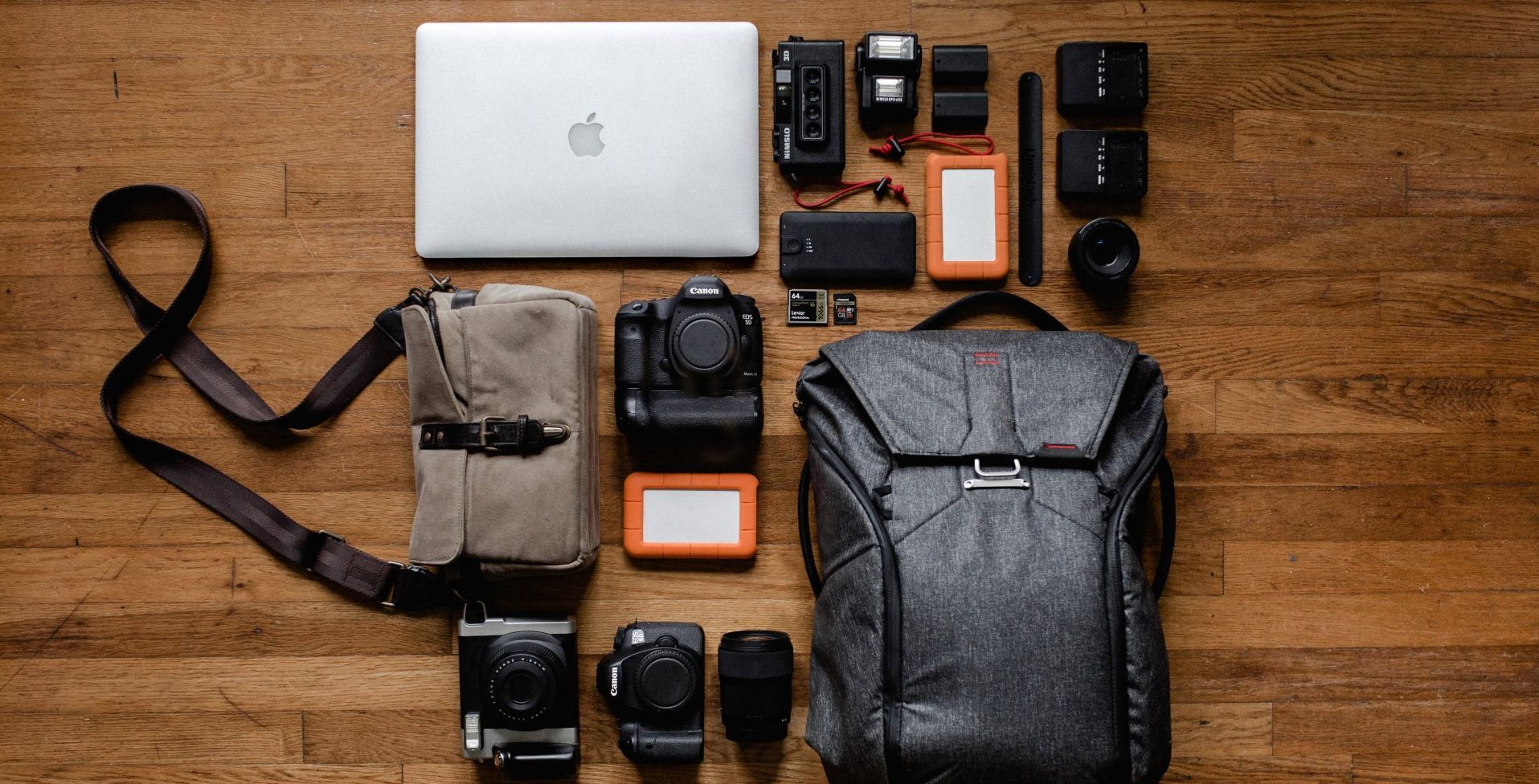
The world of photography is vast and varied, offering numerous opportunities to those who wish to sell photos online. Having the appropriate gear to embark on this venture is a must.
Contrary to popular belief, a high-end camera is only sometimes necessary. With advancements in technology today, many photographers produce stunning images using smartphones.
Choosing between DSLR and Smartphone Cameras
The choice between a Digital Single-Lens Reflex (DSLR) camera or a smartphone largely depends on budget constraints and personal preferences. A DSLR offers superior image quality due to its larger sensor size but comes with a hefty price tag attached.
Meanwhile, modern-day smartphones equipped with advanced cameras can capture impressive shots. Their main advantage is convenience - they're lightweight and easy to carry everywhere.
Best Smartphones for Photography
If you're leaning towards the smartphone route, several models are known for their excellent photo-taking capabilities that can help elevate your selling photos game.
The Samsung Galaxy S23 Ultra boasts 108-megapixel primary sensors, which capture detailed shots even under low light conditions.
In contrast, the Google Pixel 7 Pro has been praised by experts worldwide for its Night Sight mode, allowing users to take stunning pictures during nighttime without any additional lighting source needed.
Also, if you're an Apple fan, the latest iPhone has phenomenal photo-taking capabilities.
Free Photo-editing Software

The journey of selling photos online is not just about clicking the perfect shot but also mastering the art of post-processing. This includes enhancing your images using photo editing software.
Importance of Photo Editing Skills
Having a fundamental knowledge and proficiency in photo editing is essential for success in the digital age, as it can be lucrative to make money from your photography by producing well-edited images that stand out more than unedited ones. A well-edited photograph often stands out more than an unedited one.
Beyond improving aesthetics, learning how to edit photos opens up avenues for creativity that were previously unimaginable. You could adjust colours or brightness levels and remove unwanted elements altogether. The world becomes your canvas.
Above all else, though, proficiency in these tools will give you a competitive edge, as many stock-image sites prefer high-quality edited images over raw ones. It's common for websites like
Getty Images or
Shutterstock to emphasise quality during submission.
Top Free Photo-editing SOFTWARE
When selling photos online, finding suitable software that fits within budget constraints without compromising functionality is essential. While
Adobe Lightroom and
Photoshop are industry leaders, they do come at a price which may be steep for beginners. Luckily there are several free alternatives available today.
- GIMP: This open-source program offers comprehensive features similar to Photoshop's but without associated costs.
- Pixlr X: An easy-to-use web-based editor designed keeping both novice users and experienced photographers in mind.
- DigiKam: An advanced application primarily targeted towards professional photographers who require support for major file formats, including RAW files often used by professionals.
- Canva: Offers free and paid options for editing photos and much more besides. We use this software extensively ourselves and can highly recommend it.
These softwares allow aspiring photographers the opportunity to hone their skills before investing in expensive subscriptions. They offer functions such as cropping, colour correction, and noise reduction.
However, each has its learning curve, so trying multiple options before settling down with one that suits personal preferences best would be beneficial.
Remember - practice makes perfect. So don't shy away from experimenting with different techniques until desired results are achieved.
IMPORTANT
Mastering photo editing is a crucial step in selling photos online. It enhances image quality and sparks creativity, giving you an edge over competitors on stock-image sites.
Free software like GIMP, Pixlr X, DigiKam and Canva are great starting points for honing these skills without breaking the bank.
Selling Photos Online through Stock Libraries

Stock libraries, also known as stock photo sites, are digital marketplaces that offer your photos to various customers for diverse uses. This method allows photographers to earn passive income by selling their work online.
Understanding How Stock Libraries Work
To make money from these platforms, it's crucial first to grasp how they function. When you upload your photos on websites like
Shutterstock or
Getty Images, they become available worldwide for customers requiring images in their projects - blogs, advertising campaigns, or print media.
Every sale of your image earns you a cut of the proceeds, which may range from 20% to 60%. The specific amount depends upon factors, including exclusivity agreements with the site and user popularity.
Dealing with Rejections from Stock Libraries
If some initial submissions get rejected when starting on this journey, don't lose heart. Each platform has standards concerning quality and subject matter which all contributors must adhere to. Therefore, understanding what makes an image commercially viable is equally important, along with improving photography skills itself.
A few common reasons behind rejections include poor technical execution (incorrect exposure, lacklustre composition) or noise due to high ISO settings. So keep practising because the experience will inevitably lead towards improvement over time.
- Persistence pays off: Don't let rejection deter you from pursuing success in selling photos online via stock libraries.
Best Websites to Sell Your Photos Online
The online world is a treasure trove of platforms where you can sell your photos.
Not all stock photo websites are created equal; some may provide more attractive royalty rates, while others might have a more extensive user base or straightforward submission rules. Some offer more attractive royalty rates, while others boast larger audiences or more accessible submission guidelines.
Alamy, for instance, offers one of the highest commission rates in the industry at 50% per sale but has earned its reputation for being selective about what images they accept.
Getty Images, despite offering lower commissions starting from 15%, attracts photographers with its high visibility and prestige within the photography community.
Shutterstock, on the other hand, presents a balanced blend of reach and revenue potential. Although commissions can vary, starting typically around 20% to 30% for new contributors, the platform's vast user base and consistent traffic make it a favoured choice for many. It's accessibility and user-friendly interface have garnered appreciation, drawing photographers looking to tap into a broader audience segment.
Adobe Stock: This platform, integrated with Adobe's design software suite, allows photographers to reach millions of buyers. They offer a competitive commission structure, often around 33% per image download.
Dreamstime: Established for many years, Dreamstime has a vast user base. They offer a tiered commission system based on the contributor's lifetime sales and the exclusivity of the image.500px: Originally a community for photographers to showcase their work, 500px has evolved into a platform for selling photos. Its licensing program, 500px Licensing, lets you earn money through your images.
iStock (by Getty Images): iStock is a more affordable branch of Getty Images for buyers, which means potentially more sales but at a lower commission rate. Photographers can earn from 15% to 45% depending on the exclusivity of their photos.
Stocksy: An artist-owned co-op, Stocksy is known for its high-quality images and fair pay to photographers. They provide a 50% royalty rate for standard licenses, which can go up to 75%.
Diversifying across different websites might be beneficial as each site has unique advantages and disadvantages catering to various types of photographers and styles.
Tips For Maximising Earnings On Each Platform
Understanding how each operates is essential to squeeze out maximum earnings on these platforms. It's crucial to read through the terms before uploading any photo, as some sites may demand exclusive rights over your work which could restrict selling elsewhere.
Apart from this consideration, consistently creating quality content will also increase potential income because most sites operate under a tiered payment structure where higher-quality contributors earn more royalties per download than those just starting out.
In addition, staying updated with trends, seasonal themes, and customer requests can help boost sales. Many stock photo websites provide insights into what buyers are currently looking for, so keeping an eye on such information could give you an edge.
Making Extra Money Selling Prints And Gifts
While selling digital photos online is a well-known method of earning from your photography skills, another avenue can be just as profitable: selling prints and personalised gifts. This approach diversifies your income stream and opens up opportunities for creative expression.
Advantages Of Print-On-Demand Products
The advantage of print-on-demand products is their ease and affordability, eliminating the need for inventory management or initial investments associated with traditional retail models.
You don't have to worry about inventory management or upfront costs associated with conventional retail models - all you need to do is upload your designs onto the platform, set up shop, and they handle everything else.
This model allows photographers like yourself to earn passive income while focusing on what matters most - creating stunning visuals.
Each sale becomes pure profit after the platform takes its cut. Plus, this model gives you unparalleled freedom regarding creativity, whether it's landscape photographs or abstract art pieces - if it can be digitally rendered, it can be turned into physical merchandise.
Examples Of Successful Personalised Gift Websites
Tapping into successful examples such as
Not On The High Street, an online marketplace connecting independent creators with customers seeking unique handmade items, might give aspiring photographers some inspiration. Many sellers here started by turning their passion projects into successful side hustles.
If direct sales appeal more than merchandising does, consider platforms like
Etsy. Known worldwide for its focus on handcrafted items, Etsy makes an ideal marketplace due to high demand, quality artwork and affordable prices offered by artists.
However, please remember always to make sure your work stands amidst competition providing exceptional service alongside top-notch imagery.
Final Thoughts
Unlocking the potential of your photography skills can be a game changer.
The right apparatus, even if it's just a mobile phone, is essential for creating top-notch images.
Mastering free photo-editing software adds that professional touch without breaking the bank.
Selling photos through stock libraries opens up a world of passive income opportunities.
Different platforms offer varied benefits and challenges - choosing wisely maximises earnings.
Beyond digital sales, there's money in prints and personalised gifts too!
🔒 Subscribe to unlock the full article
Join TaxStore for free to access the full version of this guide, plus tools, tips, and expert services to help you grow your business.
Create your free account today – it only takes a minute.
Disclaimer: This blog is for general purpose guidance, and no liability is accepted by TaxStore for action taken or not taken in reliance upon the contents of this blog. Where appropriate, professional advice should be obtained.